
This guide is for UAE homeowners about to sign an apartment or villa fit-out contract that opens with a large advance payment. The aim is simple: every transfer should follow work you can see, measure and check. Before negotiating percentages, break every fit-out quote into a bill of quantities before comparing prices, because without itemised quantities there is nothing objective to tie a payment to.
Contents
- How much mobilization advance can a UAE homeowner defend before fit-out works start?
- What should a mobilization advance actually buy on a Dubai apartment or villa fit-out?
- How do you build a stage-payment schedule tied to measured fit-out work?
- How do retention and advance recovery protect money already paid?
- Who owns materials on site, and how are variations paid?
- What should a homeowner change in a fit-out contract before signing?
- Questions homeowners ask about fit-out advances and retention
Key takeaways
- These sources hold no verified benchmark for what contractors typically ask.
- Ask the contractor to sort every claimed item into three buckets and label them in the schedule:.
- Build from the priced items, not a round-number ladder, so no instalment can be claimed without something you can count, photograph or test:.
- Advance recovery returns money paid before work existed.
- Ownership of paid-for goods is a legal question these sources do not address, so use practical controls and take qualified advice on wording that governs your rights:.
A note on evidence. The approved sources here cover LED lighting performance and natural stone care only. They establish no market norm for advances, retention percentages, statutory payment rules or material-ownership law in the UAE. Where a figure or legal position matters, get it in writing from your contractor or adviser rather than treating it as a standard this article can confirm.

Tie Every Fit-Out Payment to Verified Work, Not a 50 Percent Mobilization Advance.
How much mobilization advance can a UAE homeowner defend before fit-out works start?
These sources hold no verified benchmark for what contractors typically ask. Replace “is 50 percent normal?” with a question you can answer: what will this money buy, and when can I verify it? An advance is defensible only if it is small, itemised, time-bound and recoverable. Run these tests before signing:
- Purpose. A written breakdown of which orders, deposits and setup items the advance funds. If the answer is “to start the project”, ask again for line items.
- Evidence. The document you receive for each spend: order confirmation, invoice, delivery note. Agree the format now.
- Timing. Delivery dates for each ordered item. Money that buys nothing visible for weeks is unsecured lending.
- Recovery. How later invoices deduct the advance, and by which milestone the balance reaches zero.
- Exit. What happens to any unrecovered advance if the contract ends early, written into the contract text.
If the contractor will not itemise, date or describe recovery, you cannot verify the structure whatever the percentage. Consider splitting the request: a modest sum against named long-lead orders, the rest converted into stage payments on measured work.
What should a mobilization advance actually buy on a Dubai apartment or villa fit-out?
Ask the contractor to sort every claimed item into three buckets and label them in the schedule:
- Named orders you can trace. Specific products, suppliers and quantities, with an order reference copied to you. These leave a paper trail.
- Site setup you can inspect. Protection, hoarding, temporary services, waste arrangements. Tie release to a site inspection, not a calendar date.
- Everything else. Overheads, cash flow, unnamed contingency sums. Move these out of the advance into priced stages.
Approvals. Do not fund scope whose permission status is unresolved. Establish whether your works need a permit, NOC or structural review: see when an apartment renovation in Dubai requires a fit-out permit, NOC or structural review. For changes to structure, envelope or drainage, read why a villa extension in Dubai requires structural engineering, authority drawings, drainage review and facade control. Ask who submits each approval and make related payments conditional on evidence of submission.
Long-lead equipment. Settle air-conditioning capacity, efficiency, noise and controls using this comparison of capacity, efficiency, noise and controls when replacing home air conditioning in Dubai, then put exact model numbers and quantities in the schedule. A deposit against “AC works” cannot be verified; one against listed models can.
Lighting rewards specificity too. ENERGY STAR states that qualified LED lighting uses at least 75 percent less energy and lasts up to 25 times longer than incandescent lighting (ENERGY STAR, LED Lighting). That describes qualified products, not any bulb labelled LED. Write the qualified references into the schedule and check delivered cartons against them before releasing payment.
How do you build a stage-payment schedule tied to measured fit-out work?
Build from the priced items, not a round-number ladder, so no instalment can be claimed without something you can count, photograph or test:
- Group the itemised quantities from your bill of quantities into stages that finish in a checkable state.
- Define measurable triggers. Square metres installed, units fitted and commissioned, rooms handed over. Avoid “50 percent complete” or “as per progress”.
- Name the verifier: you, an independent consultant, or a jointly signed site record, written into the schedule.
- List the documents per claim: measurement sheet, dated photographs, delivery notes, test records where relevant, and the advance-recovery deduction as a separate line.
- Set a review window and dispute route, including what happens to undisputed portions when one item is contested.
- Show cumulative payment against cumulative verified value on every invoice, so you can see whether you are ahead of the work.
If you cannot reproduce an invoice total from the quantities and rates in your own schedule, the schedule is not doing its job.
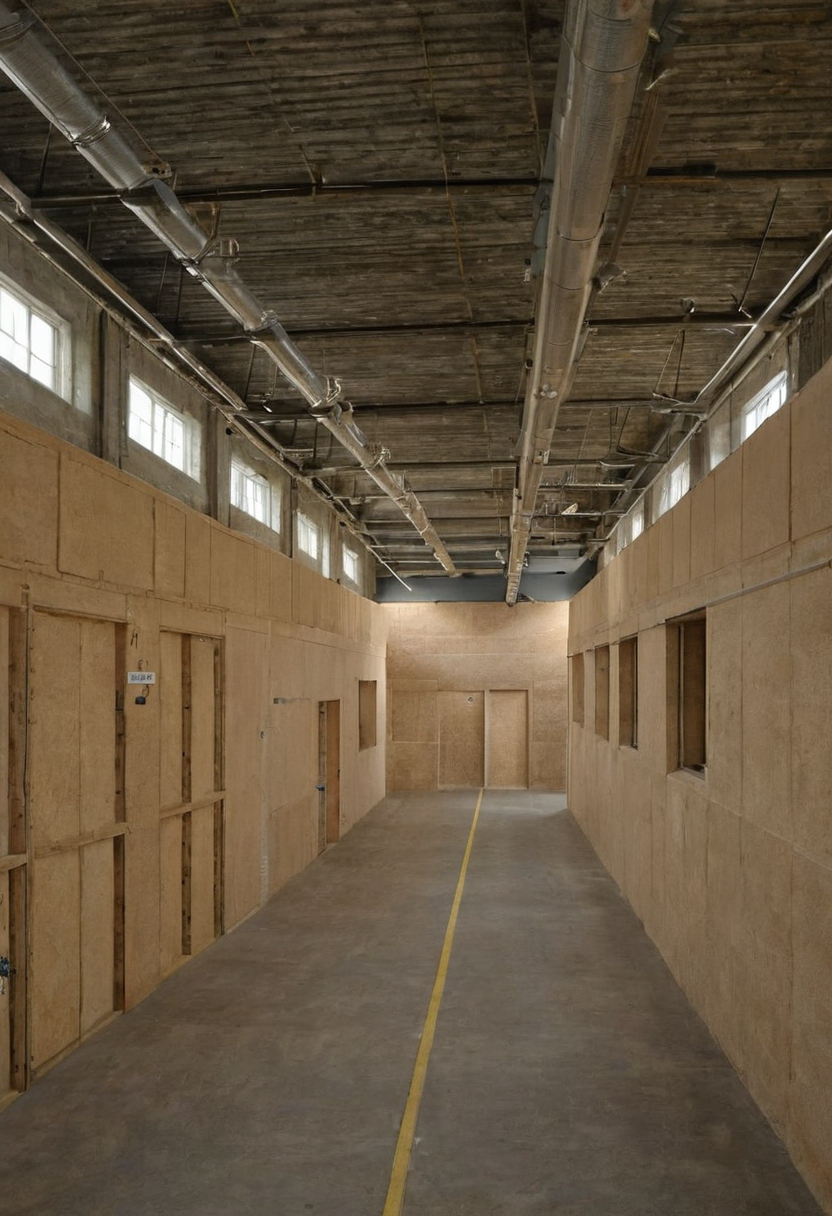
How do you build a stage-payment schedule tied to measured fit-out work.
How do retention and advance recovery protect money already paid?
Advance recovery returns money paid before work existed. Require each interim invoice to show gross verified value, minus the agreed recovery portion, minus retention, equals the amount payable, with a running balance of unrecovered advance. Get written answers to two questions: by which milestone does the balance reach zero, and what secures it if the contract terminates first?
Retention holds back part of the value of work already done for completing outstanding items and correcting defects. No approved source establishes a standard percentage, holding period or release condition for UAE fit-out contracts, so negotiate and record these terms. Ask:
- What percentage is withheld per payment, and is the total capped?
- What document or inspection triggers the first release, and what triggers the final one?
- Who signs off the outstanding-items list, and what happens if only part is closed?
- Can another form of security replace retention, and does retention apply to variations and uninstalled materials?
Attach a worked example of one interim invoice to the contract; a single arithmetic illustration removes more ambiguity than paragraphs of intent.
Who owns materials on site, and how are variations paid?
Ownership of paid-for goods is a legal question these sources do not address, so use practical controls and take qualified advice on wording that governs your rights:

Who owns materials on site, and how are variations paid.
- List materials paid in advance by description, quantity and location, labelled for your project and recorded in dated photographs.
- Split delivery from installation: a smaller payment on verified delivery, the balance on verified installation.
- Require written consent before paid-for materials leave site, and reconcile quantities at handover.
- Confirm who insures stored materials and how they are protected.
For variations, agree the procedure before the first change: written instructions referencing affected bill-of-quantities items; rates from the original schedule where an equivalent item exists, new rates approved in writing before work starts; cost and programme effects stated up front; payment only after the varied work is measured; a running variation log on every invoice.
Where variations touch finishes, specify maintenance alongside the product. The Natural Stone Institute recommends cleaning natural stone surfaces with neutral cleaners, stone soap, or mild liquid dishwashing detergent and warm water, and warns that scouring powders or creams can scratch natural stone because those products contain abrasives (Natural Stone Institute, Care and Maintenance). Put the recommended method in the handover pack and make pre-handover cleaning a checkable line in the final stage.
What should a homeowner change in a fit-out contract before signing?
Bring a short redline list to the negotiation:
- Replace the opening percentage with an itemised advance schedule naming each funded item, its value, its date and its supporting document.
- Add a recovery clause showing the deduction and remaining balance on every invoice, with the clearing milestone stated.
- Make measurement the trigger; delete percentage-complete wording.
- Name the verifier, the evidence and your review window.
- Condition approval-dependent payments on proof of submission or issue.
- Attach model numbers and product references, including lighting and air-conditioning selections.
- Write in the variation procedure and define retention release by named events.
- Address early termination: unrecovered advance, retained sums, paid-for materials, partly completed stages.
- Require a handover pack (commissioning records, warranties, care instructions) as a payment condition.
Resistance to several of these at once is itself information. A schedule built on measured work simply describes what a competent contractor intends to do.

What should a homeowner change in a fit-out contract before signing.
Questions homeowners ask about fit-out advances and retention
These are the questions this guide sets out to answer, not extracts from a customer database.
Is a 50 percent mobilization advance standard in the UAE? These sources contain no evidence of prevailing percentages. Ask what the sum buys, when it becomes visible and how it is recovered, and require those answers in the contract.
Can I refuse an advance altogether? You can propose a small advance limited to named orders and inspectable setup, with everything else on verified stages. Acceptance is a commercial negotiation, not a rule.
What retention percentage should I hold? No approved source establishes a figure or period. Negotiate the percentage, cap and release triggers, and ask for a worked invoice example.
Does paying for materials mean I own them? That legal question is outside these sources. Use itemised lists, labelling, photographs, consent before removal and handover reconciliation, and take qualified advice on the wording.
How do I stop variations inflating the final bill? Written instructions before work, original-schedule rates where possible, stated cost and programme effects, payment after measurement, and a running log on every invoice.
For more on this topic, see other guides on this site.